10 Essential Tips: The Complete Guide to Gearbox Lubrication for Industrial Systems

10 Essential Tips: The Complete Guide to Gearbox Lubrication for Industrial Systems
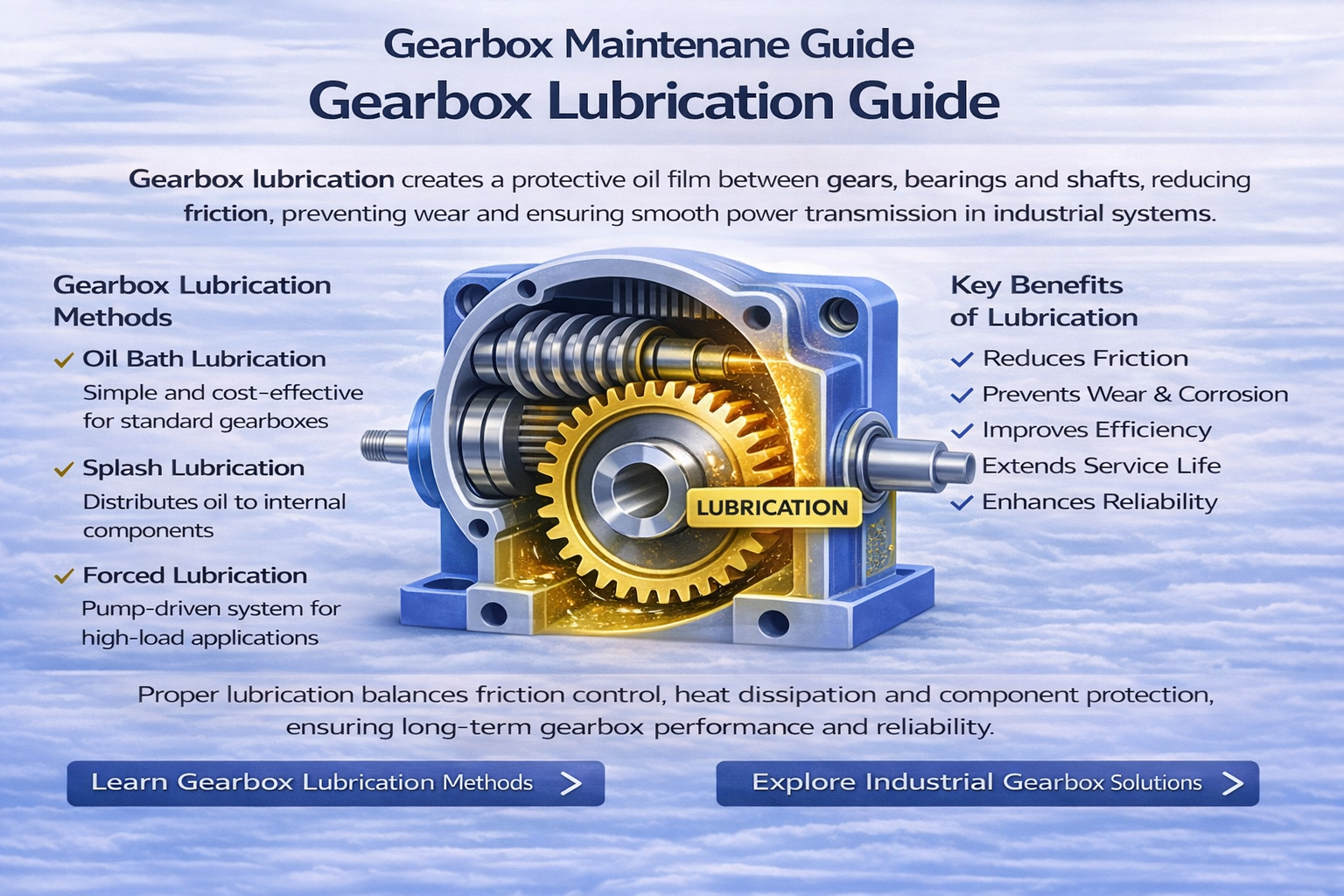
Gearbox lubrication is the systematic application of high-performance oils or greases to create a protective boundary between rotating and meshing components inside a gearbox, such as gear teeth, bearings, shafts, and thrust surfaces. This critical process prevents direct metal-to-metal contact, reduces frictional resistance, and supports seamless power transmission in mechanical drive systems. Lubrication plays a key role in reducing friction in mechanical systems, and mastering industry-standard <a href=”https://www.skf.com/group/knowledge-centre” target=”_blank”>lubrication principles</a> is essential for designing, operating, and maintaining industrial gearboxes that deliver consistent performance. Far beyond a simple maintenance task, effective gearbox lubrication balances friction control, heat management, and component protection—three pillars that determine whether a gearbox operates reliably for years or suffers premature failure. Without targeted gearbox lubrication, even precision-engineered gears and bearings will experience rapid wear, surface scoring, fatigue pitting, and catastrophic breakdown, leading to costly production halts, emergency repairs, and full gearbox replacements.
Gearbox Lubrication Guide
What Is a Worm Gearbox & Its Lubrication Needs?
A worm gearbox is a specialized type of gear reducer that uses a worm (screw) and a worm wheel to transmit motion and power between non-parallel shafts. The design allows for high reduction ratios in a compact structure, ideal for applications requiring low speed and high torque. Due to its sliding contact design, proper lubrication is critical to reduce friction, prevent wear, and ensure long-term reliability.
he importance of gearbox lubrication cannot be overstated in industrial settings, where equipment uptime directly impacts productivity and profitability. Effective lubrication delivers four core benefits that safeguard gearbox health and operational efficiency. First, it drastically reduces friction, the primary source of energy loss and heat generation in gear systems; by forming a thin, durable film between moving parts, lubricants eliminate abrasive contact and lower power consumption. Second, it prevents mechanical wear and corrosion, shielding metal surfaces from moisture, dust, and chemical contaminants that cause rust and material degradation. Third, it optimizes mechanical efficiency, ensuring that power is transmitted smoothly without unnecessary drag or resistance. Fourth, it dramatically extends gearbox service life, reducing the need for frequent repairs and capital replacements. Poor lubrication is one of the main causes of <a href=”https://motorreducers.com/gearbox-overheating-causes-solutions/” target=”_blank”>gearbox overheating</a> in industrial systems, making it the single leading cause of unplanned gearbox failures worldwide. In heavy-duty sectors like mining, manufacturing, and renewable energy, a single lubrication-related failure can shut down entire production lines, resulting in thousands of dollars in lost revenue, overtime labor costs, and expedited parts delivery.

Four Primary Types of Gearbox Lubrication Methods

Gearbox lubrication methods are selected based on gear speed, load capacity, operating environment, and gearbox design. Each method delivers targeted lubrication to meet specific industrial demands:
  1. Oil Bath Lubrication

    The most widely used and cost-effective lubrication method for standard industrial gearboxes, oil bath lubrication immerses the lower section of gears in a sealed, oil-filled housing. As gears rotate, they naturally carry oil to meshing surfaces and bearings, providing consistent, passive lubrication for low-to-medium speed and moderate-load applications. This method requires no additional pumps or components, making it ideal for general-purpose gear reducers, conveyor drives, and small industrial machinery.

  2. Splash Lubrication

    A variation of oil bath lubrication, splash lubrication uses rotating gears or dedicated splashers to agitate oil and distribute it as a fine spray to upper gears, bearings, and internal components. This method excels in enclosed, medium-speed gearboxes where direct oil immersion is impractical, commonly used in material handling equipment, automotive transmissions, and light industrial machinery.

  3. Forced Lubrication

    Designed for high-speed, heavy-load, and extreme-duty gearboxes, forced lubrication (or circulating lubrication) uses electric pumps to deliver pressurized, filtered oil directly to critical gear meshes and bearing assemblies. This method ensures continuous oil flow, efficient heat dissipation, and real-time contaminant removal, making it indispensable for wind turbine gearboxes, large mining machinery, industrial automation systems, and marine propulsion units.

  4. Grease Lubrication

    Grease lubrication utilizes thickened, high-viscosity lubricants that adhere to component surfaces without dripping, making it perfect for small, low-speed, vertically mounted, or sealed gearboxes. It provides long-lasting protection against dust and moisture, requires minimal maintenance, and eliminates oil leakage risks—ideal for gear motors, portable equipment, agricultural machinery, and household appliances.

How to Select the Perfect Gearbox Lubricant

Choosing the right lubricant is a decision that directly impacts gearbox performance, reliability, and longevity. Choosing the right lubricant is an important part of <a href=”https://motorreducers.com/gearbox-selection-guide/” target=”_blank”>gearbox selection</a>, and engineers must evaluate four key factors: operating temperature range, continuous or shock load conditions, rotational speed, and environmental exposure to moisture, dust, or chemicals. Different lubricants are designed for specific industrial applications, and industry leaders like Mobil offer a comprehensive range of <a href=”https://www.mobil.com/” target=”_blank”>industrial lubricants</a> formulated to meet the unique demands of gearbox operation.
The most common gearbox lubricant categories include:
  • Mineral Oils: Budget-friendly and suitable for standard operating conditions, mineral oils are the go-to choice for general-purpose gearboxes with moderate speeds and loads.
  • Synthetic Oils: Engineered for extreme performance, synthetic oils offer superior thermal stability, oxidation resistance, and low-temperature fluidity, perfect for high-temperature, low-temperature, or heavy-load applications.
  • EP (Extreme Pressure) Oils: Fortified with specialized anti-wear and extreme pressure additives, EP oils protect against scuffing, pitting, and surface fatigue in high-shock, high-load gearboxes used in mining, construction, and heavy machinery.
Viscosity grading (ISO VG) is another critical consideration: low-viscosity oils support high-speed, low-load gearboxes, while high-viscosity oils provide enhanced film strength for low-speed, heavy-duty units. Always adhere to the gearbox manufacturer’s specifications to ensure optimal lubricant compatibility.

Common Gearbox Lubrication Issues to Avoid

Even with high-quality lubricants, several common problems can compromise gearbox lubrication effectiveness:
  • Over-lubrication: Excessive oil causes internal churning, increases operating temperature, builds pressure, and damages shaft seals, leading to oil leaks and component stress.
  • Under-lubrication: Insufficient lubrication creates metal-to-metal contact, triggering rapid wear, overheating, and sudden gear or bearing failure.
  • Contaminated Oil: Dust, water, metal shavings, and chemical ingress degrade oil properties, reduce lubrication performance, and cause abrasive damage to precision components.
  • Incorrect Oil Type: Using mismatched viscosity, base oil, or additive packages fails to provide adequate protection, accelerating wear and shortening gearbox life.
These issues often develop silently without obvious symptoms, making proactive monitoring and maintenance essential for early detection.

Gearbox Lubrication Best Practices for Maximum Reliability

Follow these industry-leading best practices to maintain optimal gearbox lubrication and prevent costly failures:

Industrial Applications Dependent on Proper Gearbox Lubrication

Gearbox lubrication is a mission-critical process across every major industrial sector, where equipment reliability is non-negotiable:
  • Conveyor Systems: Continuous, 24/7 operation requires consistent lubrication to avoid downtime in manufacturing and logistics.
  • Mining Equipment: Heavy shock loads and harsh, dusty environments demand robust lubrication to prevent wear and contamination.
  • Wind Turbines: Remote, high-altitude installations rely on forced lubrication to protect high-load gearboxes and ensure uninterrupted power generation.
  • Industrial Automation: Precision motion control depends on clean, stable lubrication for accurate, repeatable performance.
  • Heavy Machinery: Construction and agricultural equipment need reliable lubrication to withstand outdoor elements and extreme loads.

In every application, gearbox lubrication directly reduces maintenance costs, minimizes downtime, and maximizes operational efficiency.

Conclusion

Gearbox lubrication is the lifeblood of industrial gear systems, serving as the foundation for reliable performance, efficient operation, and long service life. By understanding core lubrication principles, selecting the right lubrication method and oil, addressing common lubrication challenges, and following strict maintenance protocols, businesses can drastically reduce unplanned downtime, lower operational costs, and extend the lifespan of their gearbox assets. High-quality <a href=”https://motorreducers.com/products/” target=”_blank”>industrial gearboxes</a> are designed for optimal lubrication performance, and pairing precision-engineered equipment with disciplined lubrication management ensures maximum return on investment and uninterrupted production. Whether managing a small gear motor or a fleet of heavy-duty industrial gearboxes, prioritizing gearbox lubrication is the most effective strategy to protect your equipment, optimize efficiency, and maintain a competitive edge in today’s industrial landscape.

Request a Quote

Fill in your gearbox requirements and our sales team will reply within 12 hours.

Contact Information
Quantity & Requirements