
Understanding industrial gearbox types is essential for selecting the right power transmission solution in heavy-duty industrial applications. Different gearbox designs offer unique advantages in terms of torque, efficiency, size, and durability. Choosing the wrong type can lead to energy loss, excessive wear, or even system failure. For a general overview of how industrial gearboxes work, you can refer to our industrial gearbox guide.
This complete comparison guide explains the main industrial gearbox types, how they work, where they are used, and how to compare them effectively for your application.
What Are Industrial Gearbox Types?
Industrial gearbox types refer to different mechanical designs used to control speed, torque, and direction of power transmission in industrial machinery. Each type is engineered to meet specific load conditions, installation constraints, and operating environments. According to engineering definitions, a gearbox is a mechanical device designed to transmit power and modify torque and speed in industrial systems.
Key factors that differentiate industrial gearbox types include:
-
Gear geometry
-
Torque capacity
-
Efficiency
-
Size and mounting style
-
Noise and vibration level
Main Industrial Gearbox Types Explained
Below are the most widely used industrial gearbox types, explained in a clear and practical way.
1. Helical Gearbox
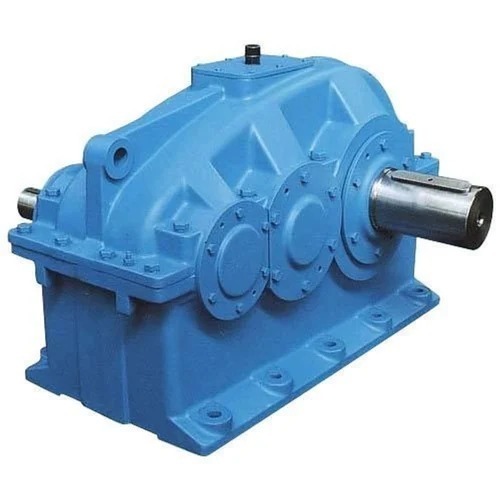
Helical gearboxes use angled gear teeth that engage gradually, resulting in smoother and quieter operation.
Key features
-
High efficiency (up to 98%)
-
Strong load-bearing capacity
-
Reduced vibration compared to spur gears
Common applications
-
Conveyor systems
-
Pumps and compressors
-
Manufacturing automation
Helical gearboxes are among the most popular industrial gearbox types due to their balance of performance and durability.
2. Planetary Gearbox
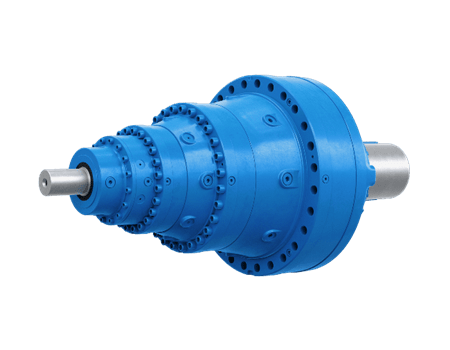
Planetary gearboxes consist of a central sun gear, multiple planet gears, and an outer ring gear. This design allows torque to be distributed evenly.
Key features
-
Extremely high torque density
-
Compact structure
-
Excellent shock load resistance
Common applications
-
Wind turbines
-
Cranes and hoists
-
Robotics and precision equipment
When space is limited and torque demand is high, planetary systems are often the best choice among industrial gearbox types.
3. Worm Gearbox
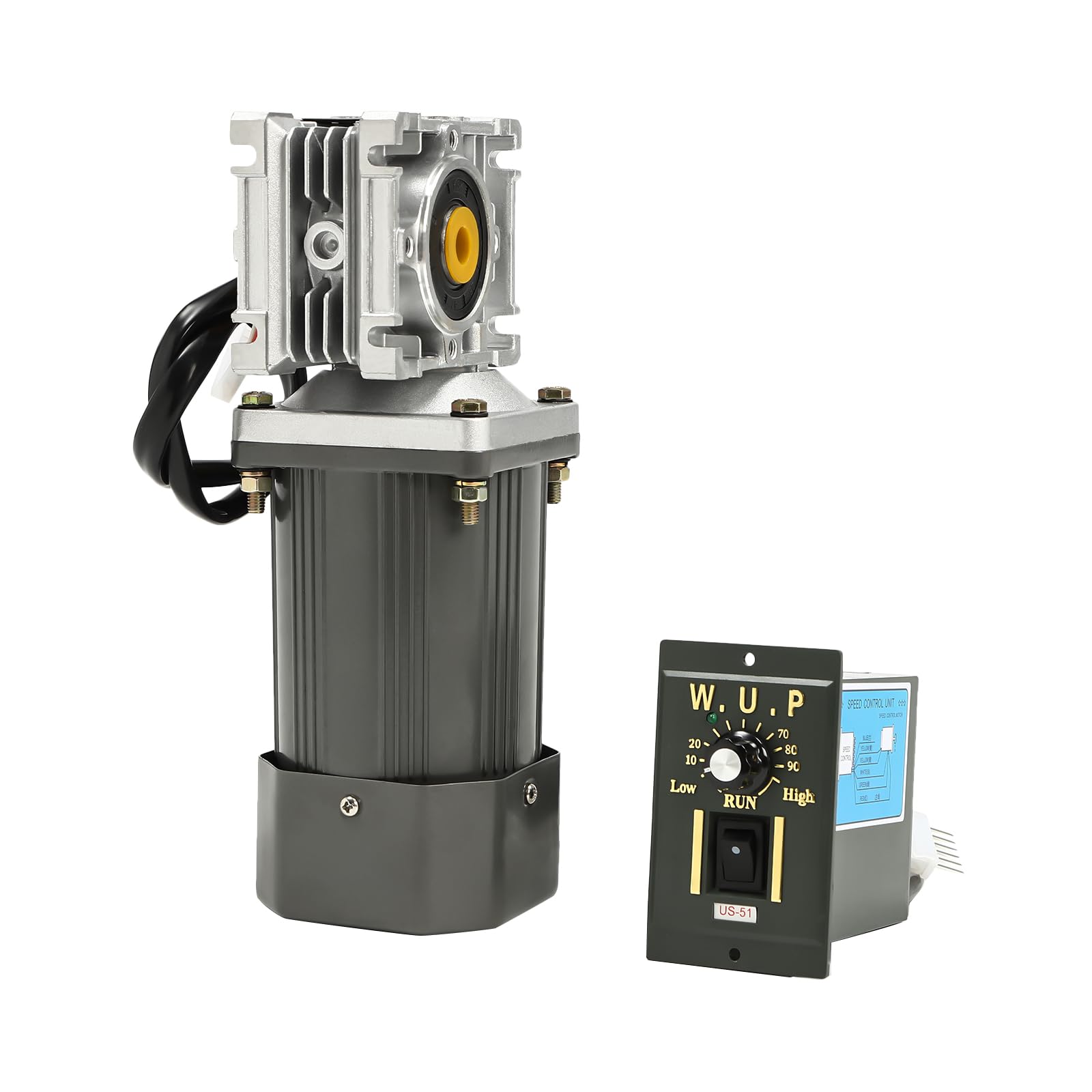
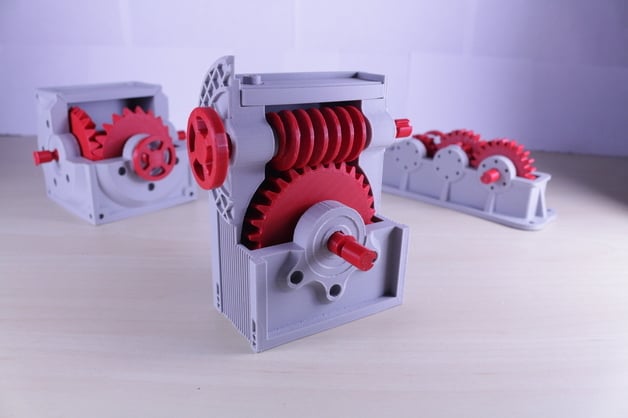
Worm gearboxes use a worm shaft and worm wheel to achieve high reduction ratios in a compact design.
Key features
-
High speed reduction in one stage
-
Self-locking capability (in many designs)
-
Simple structure
Common applications
-
Elevators and lifting platforms
-
Packaging machines
-
Light-duty conveyors
However, worm gearboxes have lower efficiency than other industrial gearbox types and are best suited for intermittent duty.
4. Bevel Gearbox
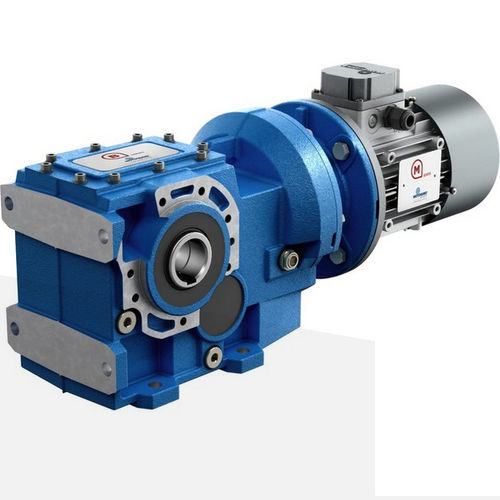
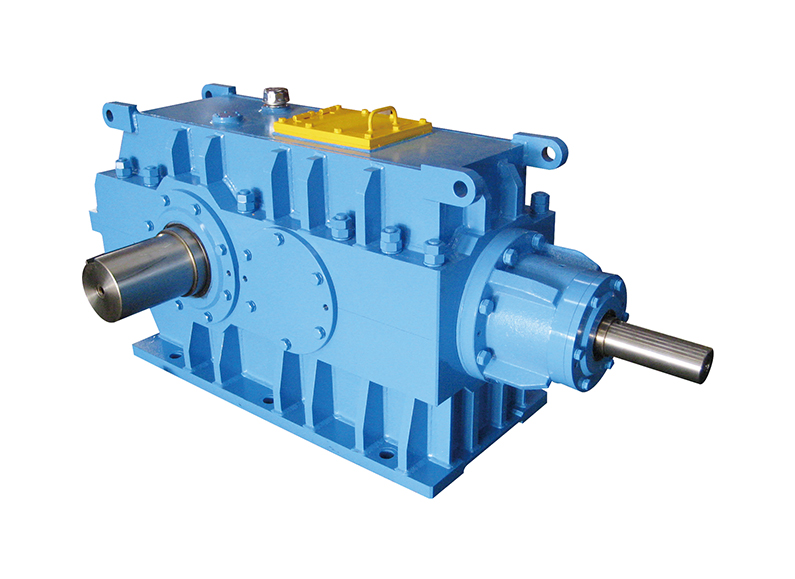
Bevel gearboxes transmit power between intersecting shafts, usually at a 90-degree angle.
Key features
-
Direction-changing transmission
-
High mechanical efficiency
-
Strong and rigid structure
Common applications
-
Mining equipment
-
Steel and rolling mills
-
Heavy industrial drives
Among industrial gearbox types, bevel gearboxes are ideal when angular power transmission is required.
5. Spur Gearbox
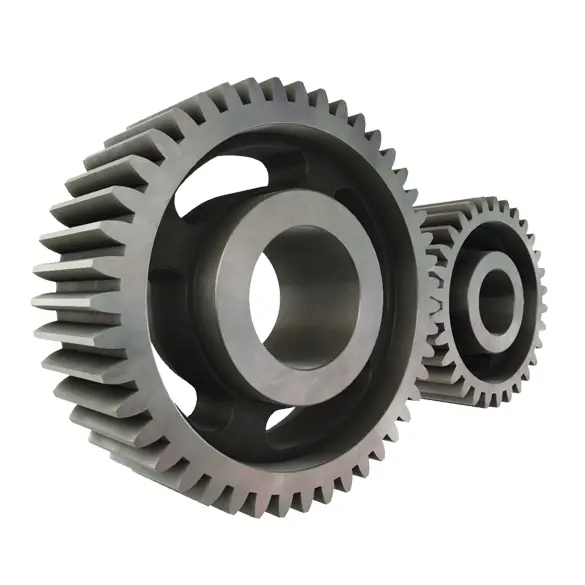
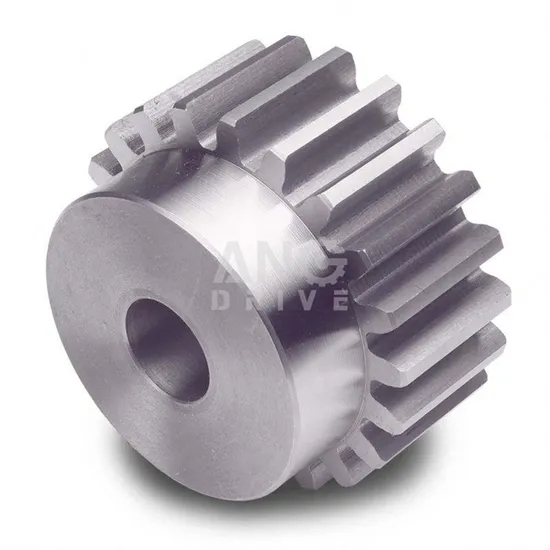
Spur gearboxes use straight-cut gears and have a simple, cost-effective design.
Key features
-
Easy manufacturing and maintenance
-
High efficiency at low speeds
-
Economical solution
Common applications
-
Low-speed machinery
-
Simple transmission systems
-
Auxiliary industrial equipment
Basic gear principles such as efficiency, gear ratio, and load distribution are widely used in industrial gearbox design.
Industrial Gearbox Types Comparison Table
| Gearbox Type | Efficiency | Torque Density | Noise Level | Typical Use |
|---|---|---|---|---|
| Helical | High | Medium | Low | Conveyors, pumps |
| Planetary | Very High | Very High | Low | Wind, cranes |
| Worm | Low–Medium | Medium | Very Low | Lifts, elevators |
| Bevel | High | High | Medium | Mining, mills |
| Spur | High | Low | High | Simple drives |
This table helps compare industrial gearbox types quickly for selection decisions.
How to Choose the Right Industrial Gearbox Type
When selecting among different industrial gearbox types, consider the following:
Load and Torque Requirements
High torque applications often require planetary or helical gearboxes.
Space and Installation Constraints
Compact installations favor planetary or worm gearboxes.
Duty Cycle
Continuous operation demands high-efficiency industrial gearbox designs to reduce heat and wear.
Operating Environment
Dust, moisture, and temperature affect gearbox material and sealing choices.
Why Understanding Industrial Gearbox Types Matters
Choosing the correct industrial gearbox type:
-
Extends equipment lifespan
-
Improves energy efficiency
-
Reduces maintenance costs
-
Enhances operational safety
For industrial transmission systems, gearbox selection is not just a mechanical decision—it directly impacts productivity and reliability.
This industrial gearbox types comparison guide provides a clear foundation for understanding how different gearbox designs perform in real-world applications. By matching gearbox structure with operating requirements, manufacturers and buyers can make informed, long-term decisions.
For deeper insights, you can continue exploring related guides on industrial gearbox applications and manufacturer selection to build a complete transmission solution strategy.