Industrial Gearbox: Types, Applications, and How to Choose the Right Manufacturer
An industrial gearbox is a critical mechanical component used to transmit power, control speed, and increase torque in heavy-duty industrial operations. From mining and cement plants to wind turbines and manufacturing lines, industrial gearboxes ensure smooth, efficient, and reliable performance.
This guide explains what an industrial gearbox is, explores the most common types, highlights key applications, and shows how to choose the right industrial gearbox manufacturer for your business.
What Is an Industrial Gearbox?
An industrial gearbox is a mechanical device that converts motor speed into usable torque through a system of gears. It optimizes power transmission, reduces energy loss, and protects machinery from overload.
Key Functions of an Industrial Gearbox
-
Speed reduction or increase
-
Torque multiplication
-
Directional control of motion
-
Load balancing in industrial systems
Industrial gearboxes are engineered to operate under high loads, continuous duty cycles, and harsh environments, making them essential in industrial transmission systems.
Types of Industrial Gearbox
Understanding different industrial gearbox types helps you choose the most efficient solution for your application.
1. Helical Gearbox
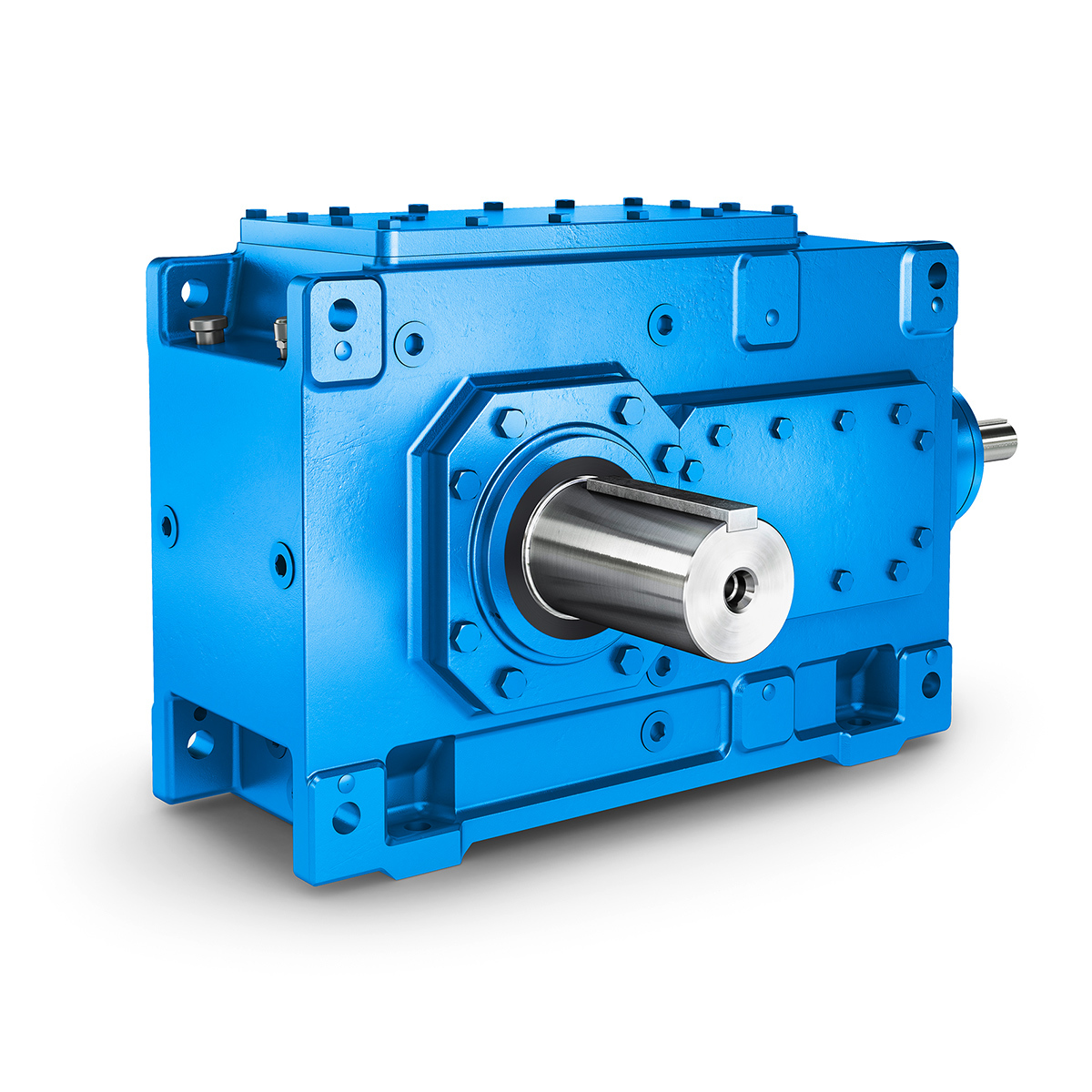
Helical gearboxes use angled teeth for smoother and quieter operation.
Best for: Conveyors, compressors, pumps
Advantages: High efficiency, reduced vibration
2. Planetary Gearbox
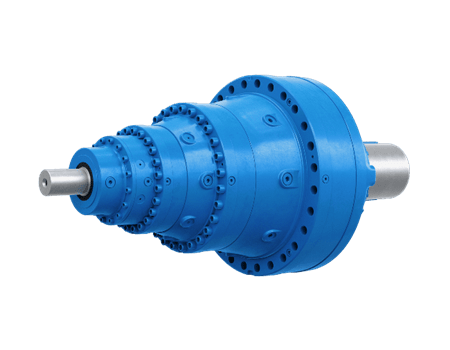
Planetary gearboxes offer high torque density in a compact design.
Best for: Robotics, cranes, wind turbines
Advantages: Compact size, excellent load distribution
3. Worm Gearbox
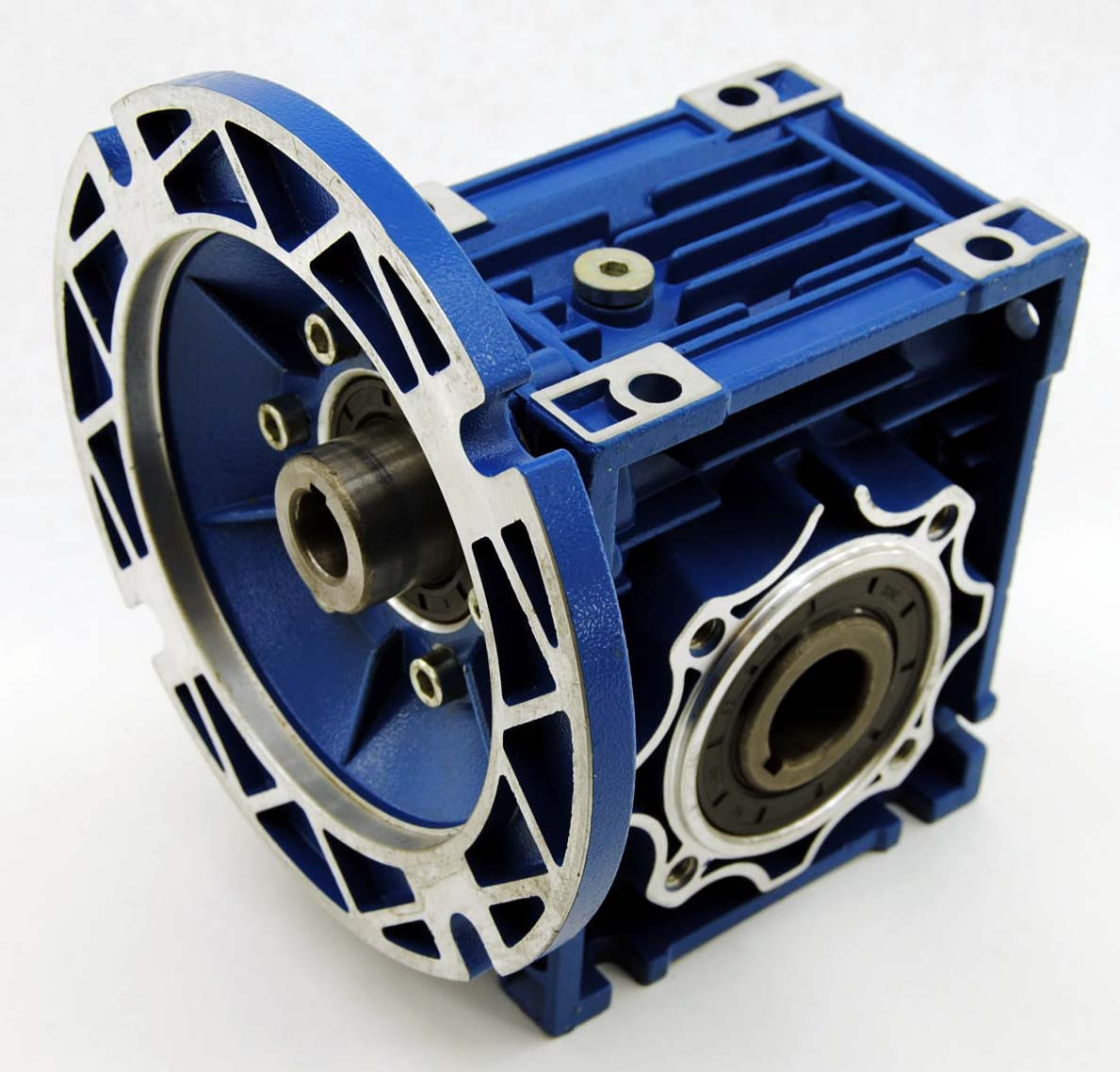
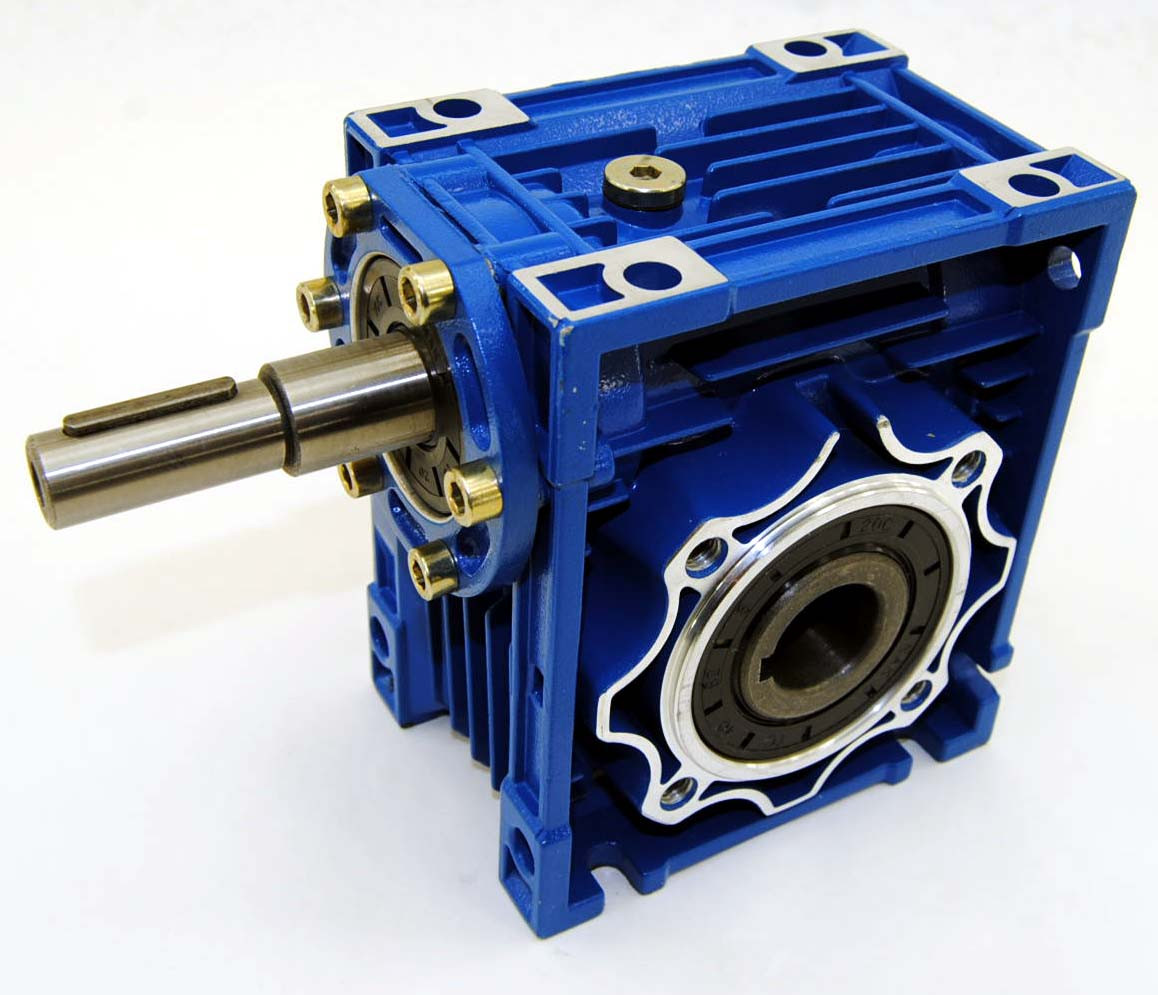
Worm gearboxes provide high reduction ratios in limited space.
Best for: Lifts, elevators, packaging machines
Advantages: Self-locking capability, compact structure
4. Bevel Gearbox
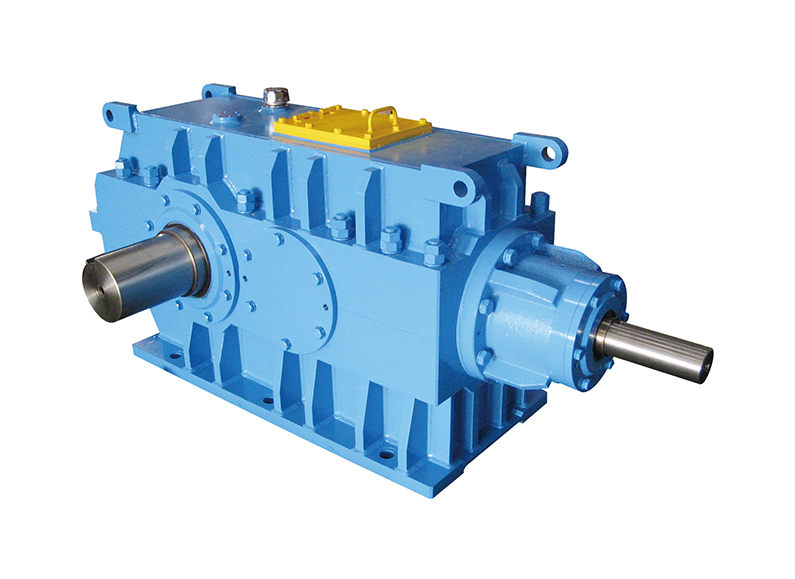
Bevel gearboxes transmit power between intersecting shafts.
Best for: Mining equipment, rolling mills
Advantages: Efficient angular power transfer
5. Spur Gearbox
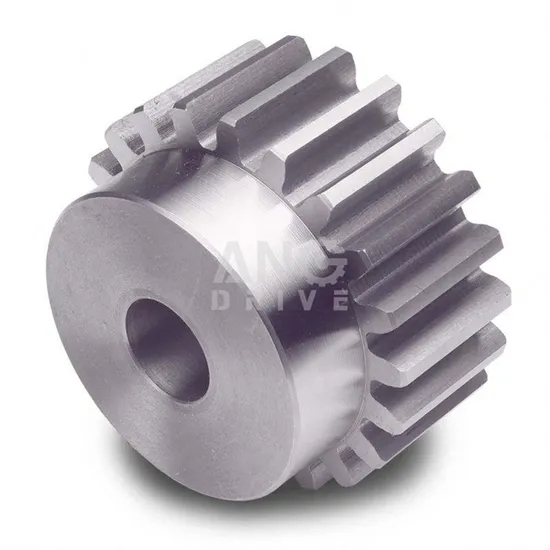
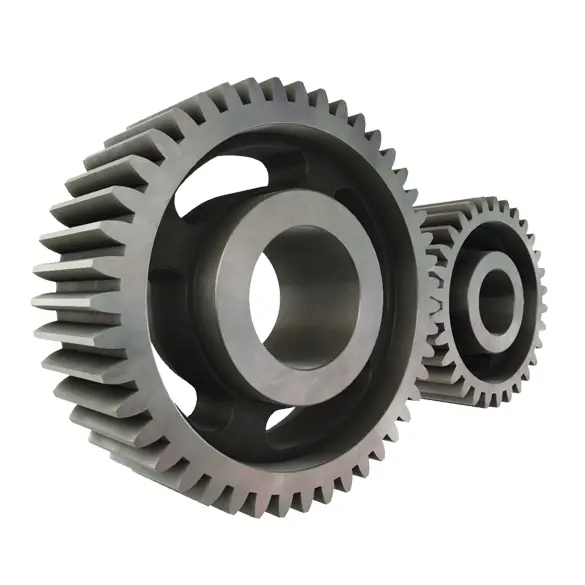
Spur gearboxes use straight teeth and simple construction.
Best for: Low-speed, high-load applications
Advantages: Cost-effective, easy maintenance
Industrial Gearbox Applications
Industrial gearbox applications span nearly every heavy industry:
Manufacturing & Automation
-
Assembly lines
-
Conveyor systems
-
CNC machinery
Mining & Cement
-
Crushers and mills
-
Kilns and feeders
-
Heavy-duty conveyors
Energy & Power Generation
-
Wind turbine gearboxes
-
Hydropower stations
-
Thermal power plants
Marine & Offshore
-
Winches
-
Propulsion systems
-
Drilling platforms
In each case, the industrial gearbox ensures reliable torque transmission and operational stability.
How to Choose the Right Industrial Gearbox Manufacturer
Selecting the right industrial gearbox manufacturer is just as important as choosing the gearbox type.
1. Engineering & Customization Capability
A reliable manufacturer should offer:
-
Custom gear ratios
-
Application-specific designs
-
Load and thermal analysis
2. Material Quality & Manufacturing Standards
Look for:
-
High-grade alloy steel gears
-
Precision machining
-
ISO or AGMA compliance
3. Industry Experience
Manufacturers with experience in your industry understand:
-
Real-world operating conditions
-
Common failure points
-
Long-term performance requirements
4. Testing & Quality Control
A professional industrial gearbox supplier conducts:
-
Load testing
-
Noise and vibration analysis
-
Endurance testing
5. After-Sales Support
Strong after-sales service includes:
-
Technical documentation
-
Spare parts availability
-
Maintenance guidance
For more insights, you can also refer to authoritative resources like engineering guidelines from leading gearbox technology providers (DoFollow external reference).
Common Mistakes When Selecting an Industrial Gearbox
Avoid these frequent errors:
-
Choosing based on price alone
-
Ignoring duty cycle and load variation
-
Underestimating environmental conditions (dust, heat, moisture)
-
Skipping manufacturer background checks
A mismatched industrial gearbox can lead to premature failure, downtime, and higher operating costs.
Why Industrial Gearbox Quality Matters
A high-quality industrial gearbox:
-
Extends equipment lifespan
-
Reduces energy consumption
-
Minimizes maintenance costs
-
Improves operational safety
In contrast, low-quality gearboxes increase failure risks and disrupt production schedules.
Choosing the right industrial gearbox requires a clear understanding of gearbox types, application demands, and manufacturer reliability. By focusing on engineering quality, industry experience, and long-term support, you can ensure stable performance and maximum return on investment.
If you’re evaluating industrial transmission systems for heavy-duty applications, investing in the right industrial gearbox and manufacturer is a decision that pays off for years.