Industrial Gearbox Applications: Use Cases Across Industries
Understanding industrial gearbox applications is essential for selecting the right transmission solution for different operating environments. While gearbox types define mechanical structure, applications determine performance requirements such as torque, speed, duty cycle, and reliability.
This article explores how industrial gearboxes are used across key industries, explains why different applications require different gearbox designs, and helps buyers and engineers make informed decisions.
From an engineering perspective, gearboxes are designed to control speed, torque, and load distribution in industrial transmission systems. Basic gearbox principles,
including efficiency, gear ratio, and load characteristics, are widely explained in authoritative engineering references such as Engineering ToolBox.
What Are Industrial Gearbox Applications?
Industrial gearbox applications refer to the specific industries, machines, and operating conditions where gearboxes are used to transmit power, control motion, and increase torque.
Each application places unique demands on an industrial gearbox, including:
-
Continuous or intermittent operation
-
Shock loads or variable loads
-
Harsh environmental conditions
-
Space and installation constraints
Matching gearbox design to application is critical for long-term performance.
Industrial Gearbox Applications by Industry
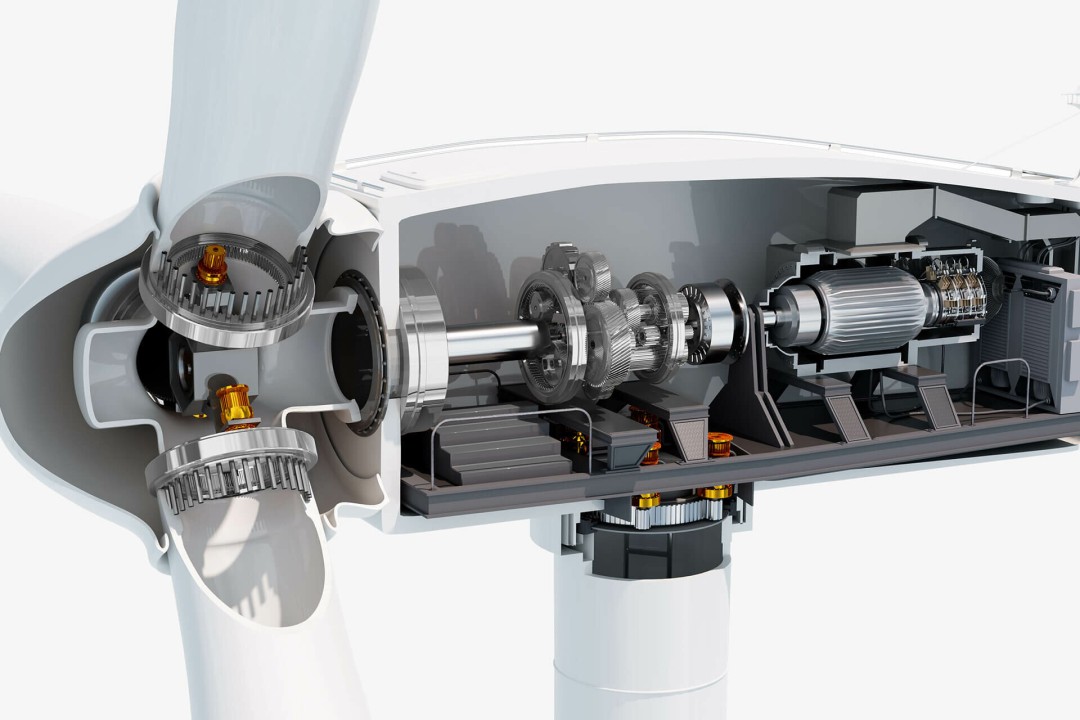
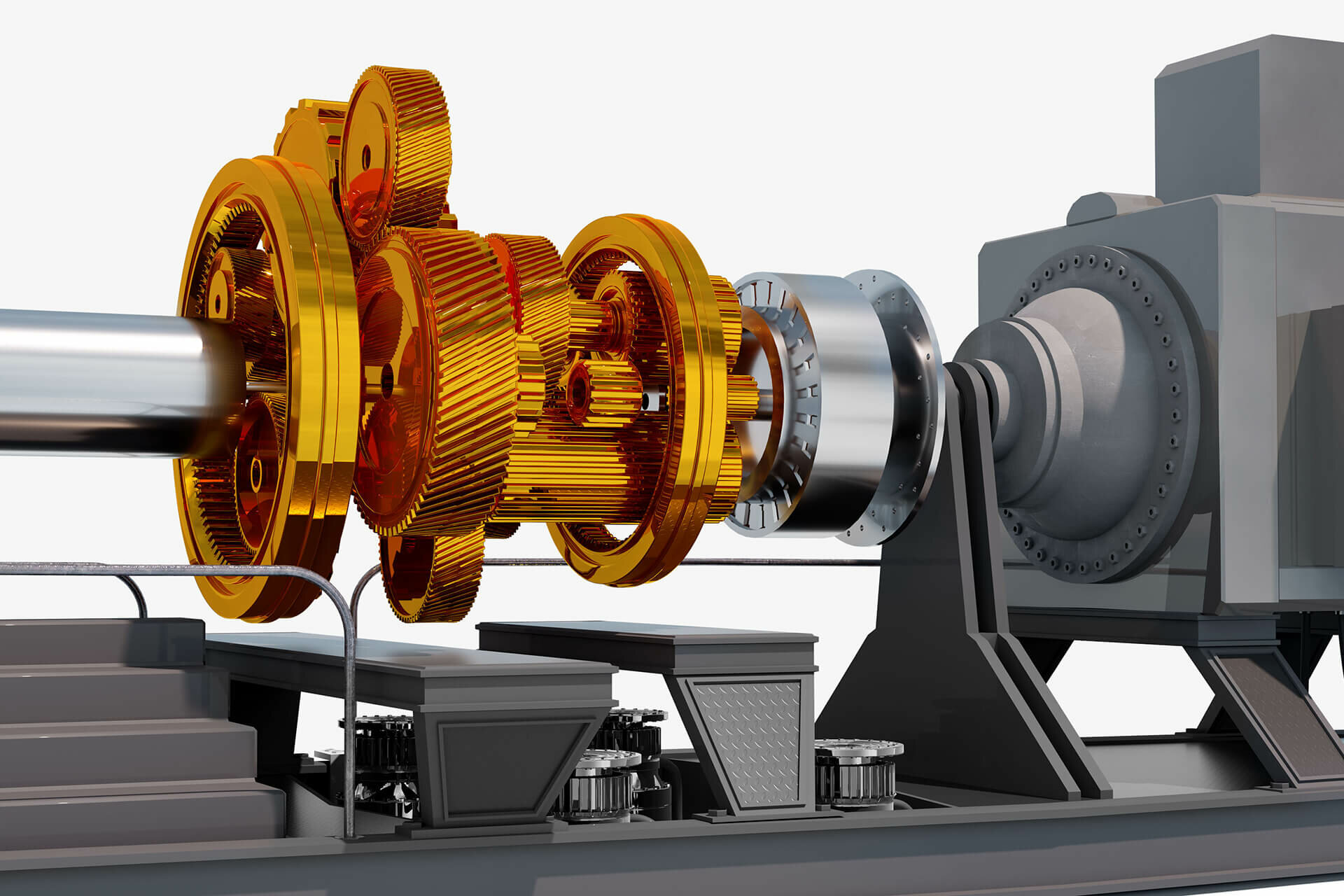
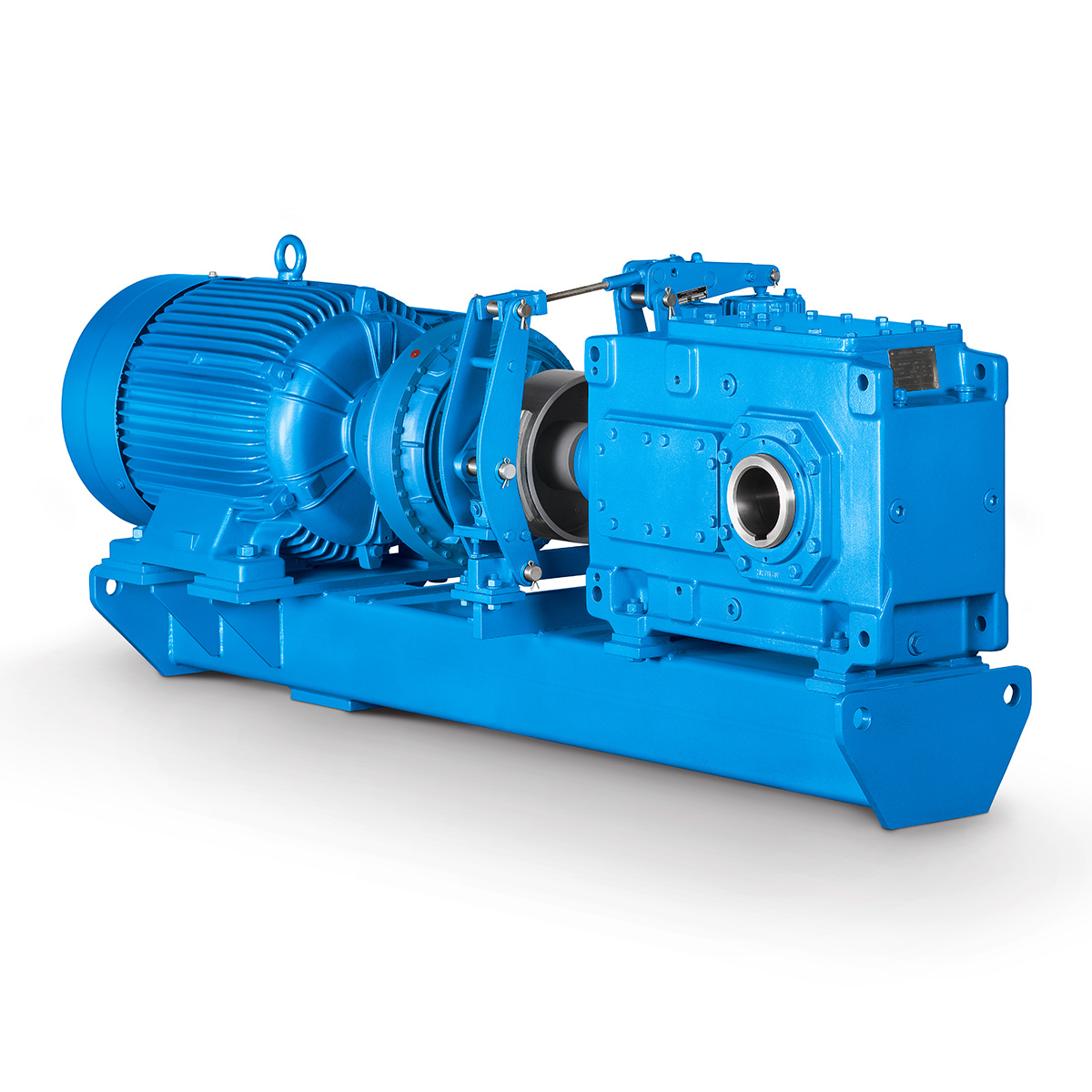
Below are the most common industrial gearbox applications, organized by industry.
1. Manufacturing and Automation
Manufacturing is one of the largest industrial gearbox application areas.
Typical equipment
-
Conveyor systems
-
Assembly lines
-
CNC machines
Why gearboxes matter
-
Precise speed control
-
High efficiency for continuous operation
-
Low vibration and noise
Helical and planetary gearboxes are widely used in manufacturing due to their efficiency and durability.
2. Material Handling Systems
Material handling relies heavily on industrial transmission systems.
Typical equipment
-
Belt and chain conveyors
-
Hoists and winches
-
Automated storage systems
Key requirements
-
High torque at low speeds
-
Smooth start and stop
-
Reliability under heavy loads
These industrial gearbox applications often use helical, bevel, or planetary gearboxes.
3. Mining and Heavy Industry
Mining places extreme demands on industrial gearboxes.
Typical equipment
-
Crushers and mills
-
Apron feeders
-
Long-distance conveyors
Key challenges
-
Shock loads
-
Dust and vibration
-
Continuous heavy-duty operation
Heavy duty gearboxes with reinforced housings and high torque capacity are essential in mining applications.
4. Cement and Metallurgy
Cement plants and steel mills require robust gearbox solutions.
Typical equipment
-
Rotary kilns
-
Ball mills
-
Rolling mills
Why specialized gearboxes are needed
-
High thermal loads
-
Continuous operation
-
Extremely high torque
Bevel and planetary gearboxes are commonly used in these industrial gearbox applications.
5. Energy and Power Generation
Industrial gearbox applications in the energy sector focus on efficiency and reliability.
Typical equipment
-
Wind turbines
-
Hydropower stations
-
Thermal power plants
Key requirements
-
High efficiency
-
Long service life
-
Precision load distribution
Planetary gearboxes dominate wind energy applications due to their compact design and torque density.
6. Marine and Offshore Equipment
Marine environments demand corrosion-resistant gearbox solutions.
Typical equipment
-
Winches
-
Propulsion systems
-
Offshore drilling platforms
Operating conditions
-
Moisture and salt exposure
-
Variable loads
-
Limited maintenance access
Industrial gearboxes used in marine applications often feature enhanced sealing and surface treatments.
7. Packaging and Food Processing
Packaging machinery relies on precise motion control.
Typical equipment
-
Filling machines
-
Packaging lines
-
Sorting systems
Key considerations
-
Compact size
-
Clean operation
-
Accurate speed control
Worm and helical gearboxes are widely used in these industrial gearbox applications.
Industrial Gearbox Applications and Gearbox Type Matching
| Application | Common Gearbox Type | Key Requirement |
|---|---|---|
| Manufacturing | Helical | Efficiency |
| Material Handling | Bevel / Planetary | High torque |
| Mining | Heavy Duty Gearbox | Durability |
| Cement & Steel | Planetary | Extreme torque |
| Energy | Planetary | Load distribution |
| Marine | Helical / Bevel | Corrosion resistance |
| Packaging | Worm / Helical | Compact design |
This table highlights how industrial gearbox applications influence gearbox selection.
How Applications Affect Industrial Gearbox Selection
When evaluating industrial gearbox applications, consider:
-
Load characteristics (constant vs variable)
-
Operating speed range
-
Environmental conditions
-
Maintenance accessibility
Understanding application requirements ensures the gearbox operates efficiently and reliably over its service life.
Final Thoughts
Industrial gearbox applications vary widely across industries, but the core principle remains the same: the right gearbox must match the application’s mechanical and environmental demands.
By analyzing operating conditions and understanding how gearboxes perform in different industries, manufacturers and buyers can select industrial transmission systems that deliver long-term value and reliability.
For a complete selection strategy, industrial gearbox applications should always be evaluated together with gearbox types and manufacturer capabilities.