Helical Gearbox: Design, Advantages, and Applications
A helical gearbox is one of the most widely used power transmission solutions in industrial applications. Known for its smooth operation, high efficiency, and strong load capacity, the industrial helical gearbox is ideal for continuous-duty systems such as conveyors, pumps, compressors, and heavy machinery. For a broader understanding of industrial transmission systems, you can also refer to our industrial gearbox guide, which explains fundamental gearbox principles and working mechanisms.
This guide explains how a helical gearbox works, its structural advantages, and where it is most commonly used.
What Is a Helical Gearbox?
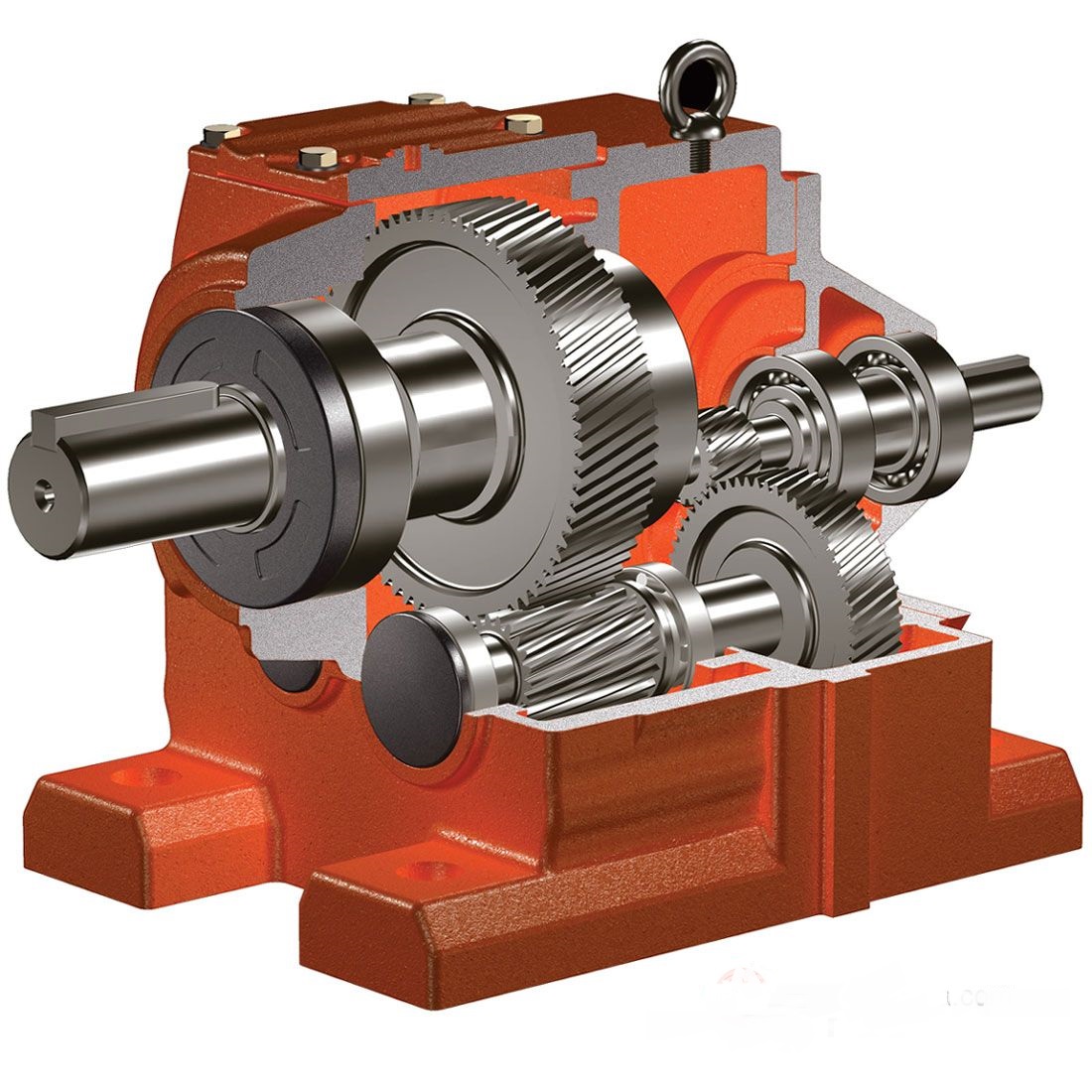
A helical gearbox uses gears with angled teeth rather than straight-cut teeth. These angled teeth engage gradually, which results in:
-
Smoother torque transmission
-
Reduced vibration
-
Lower noise levels
-
Higher load capacity
Compared with spur gear systems, a helical gearbox provides better performance in demanding industrial transmission systems.
How Does a Helical Gearbox Work?
Helical gear performance characteristics such as gear ratio and efficiency are based on fundamental gear design principles widely discussed in authoritative engineering resources.
When the motor rotates:
-
The input shaft transfers motion to the helical gears.
-
The angled teeth mesh progressively.
-
Torque is transmitted smoothly to the output shaft.
Because multiple teeth are engaged simultaneously, load distribution is improved, which enhances durability.
Key Advantages of Helical Gearbox
1. High Efficiency
Helical gearboxes typically achieve efficiency levels up to 98%, making them suitable for energy-sensitive industrial environments.
2. Smooth and Quiet Operation
Gradual tooth engagement significantly reduces noise compared to spur gear reducers.
3. High Load Capacity
Multiple tooth contact increases strength and durability.
4. Suitable for Continuous Operation
Industrial helical gearboxes are ideal for 24/7 production systems.
5. Wide Range of Ratios
Helical gear reducers can be designed for various speed reduction requirements.
Types of Helical Gearbox
Helical gearboxes are available in different configurations:
-
Parallel shaft helical gearbox
-
Inline helical gearbox
-
Helical bevel gearbox
-
Helical worm gearbox
Each configuration serves different installation and torque needs.
Helical Gearbox Applications
Helical gearbox applications include:
-
Conveyor systems
-
Cement plants
-
Steel mills
-
Mining equipment
-
Packaging machinery
-
Power transmission systems
Due to its efficiency and durability, the helical gearbox is commonly used in heavy duty industrial environments.
Helical Gearbox vs Spur Gearbox
| Feature | Helical Gearbox | Spur Gearbox |
|---|---|---|
| Noise Level | Low | Higher |
| Efficiency | High | High |
| Load Capacity | Higher | Moderate |
| Smoothness | Excellent | Basic |
For demanding industrial applications, the helical gearbox is often the preferred solution.
How to Choose the Right Helical Gearbox
When selecting a helical gearbox, consider:
-
Required torque
-
Input speed
-
Output speed
-
Mounting type
-
Environmental conditions
-
Duty cycle
Working with an experienced industrial gearbox manufacturer ensures correct design and long-term reliability.
Common Mistakes to Avoid
-
Underestimating torque requirements
-
Ignoring duty cycle
-
Choosing based on price alone
-
Not checking heat dissipation capability
Final Thoughts
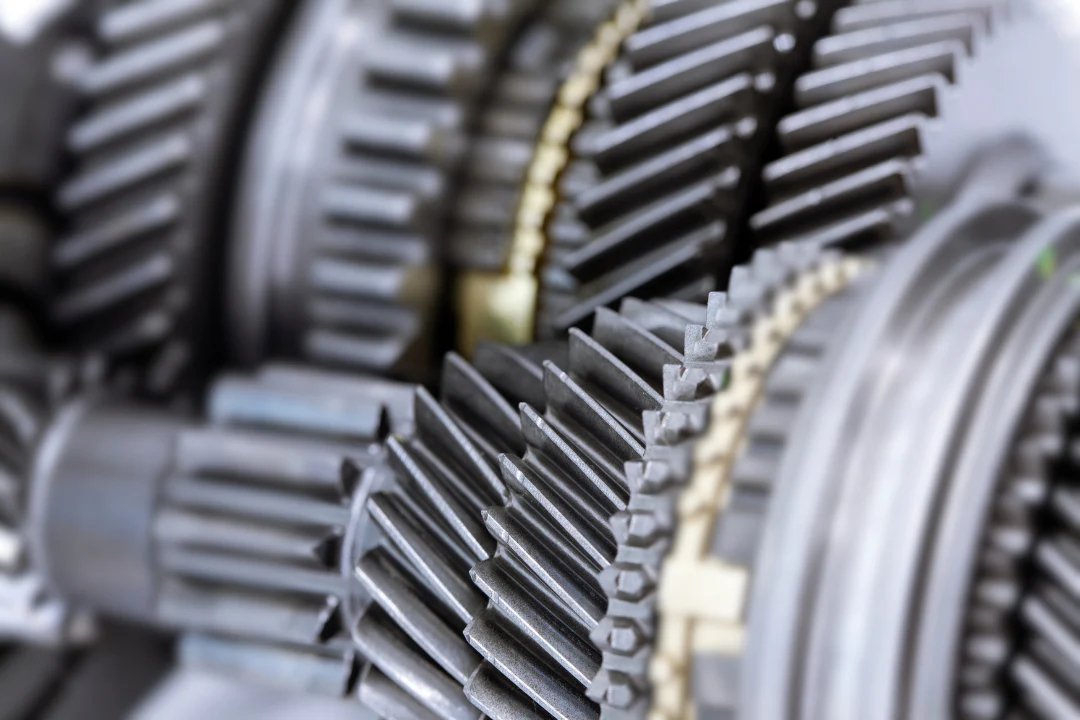
The helical gearbox remains one of the most reliable and efficient solutions in industrial transmission systems. With smooth operation, high torque capacity, and versatile configurations, it plays a vital role in manufacturing, mining, and heavy industry.
Understanding its design and applications helps engineers and buyers select the right gearbox for long-term operational success.